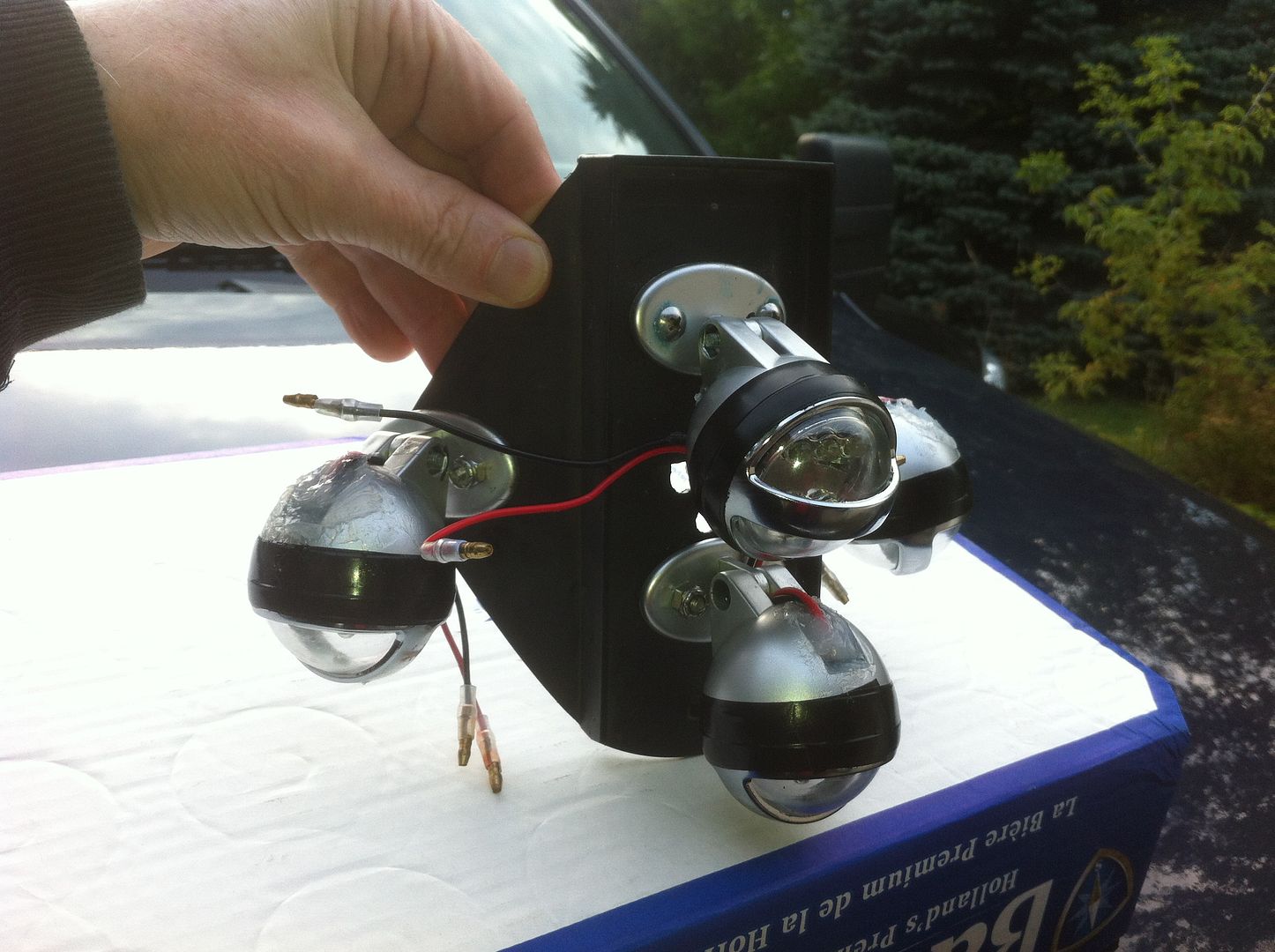
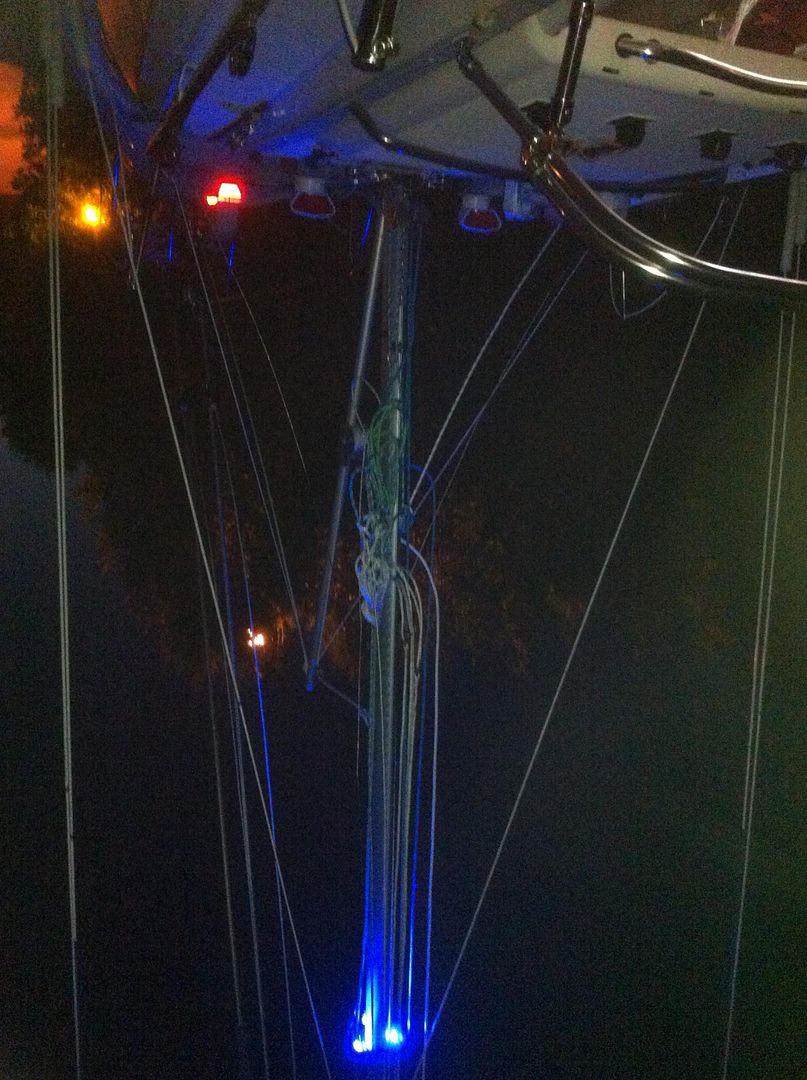
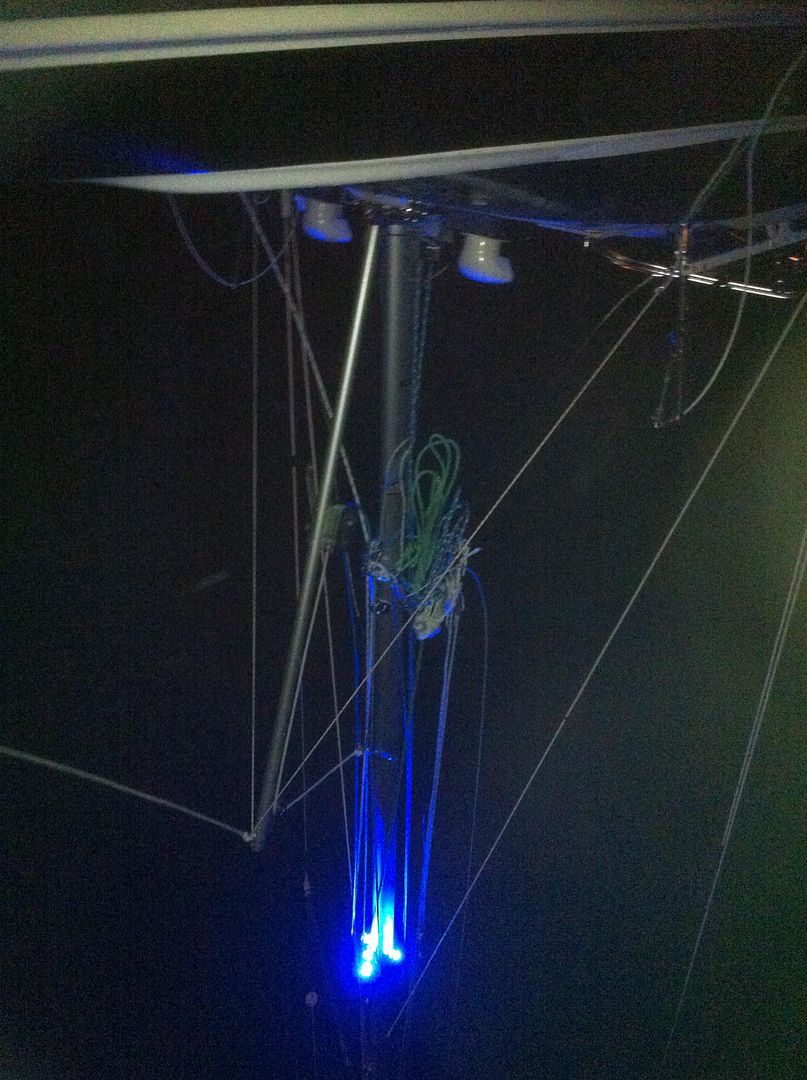
RussMT wrote:Highlander wrote:Nice mod but only issue is it,s not coast guard approved or legal like mine is , so u r screwed if u r involved in an incident !
Not necessarily. I could be wrong, but I don't think the Coast Guard actually tests and approves anchor lights.
That's correct; the USCG does NOT test lights. But the USCG does require nav lights to be tested by an independent lab, and marked "USCG Approval 33 CFR 183.810" along with some other stuff, including "USCG 1-mile" (or 2-mile, or 3-mile, or 5-mile), the name of the test lab, and even the bulb required, if it all fits. If the fixture is too small, just "USCG 2-mile" (or other distance), but all the other stuff has to be on the packaging. I believe these markings are a relatively new requirement, but it's all been formalized in the COLREGs and CFRs. 33 CFR Subpart M, to be specific.
Oh, and lights are the responsibility of the boat operator, NOT the boat builder. They're not even required to put lights on in the first place, but even if they do, it's still the responsibility of the skipper, including using the correct type, visibility, location (masthead at least 1 meter above side lights, for instance), angled correctly (dead ahead to 22.5 deg. abaft the beam on each side, and so on), and even the right type -lights for sailboats have different vertical sector brightness requirements than those for power boats, due to heeling under sail! That's why WM lists boat types for the various nav lights - power and sail, or just power.
In case anyone is interested, and since I have this into burned into my brain anyway, vertical sector visibility intensity requirements for sailboat nav lights is 100% required minimum for +/- 5 degrees angle of heel, and 50% for up to 25 degrees angle of heel. For power boats, it's 100% for +/- 5 deg. angle of heel, and 60% up to +/- 7.5 deg. angle of heel. So you can see that lights with a fresnel lens is likely to NOT meet the requirements for sailboats, as the intensity drops fast with small angles of heel. And my X came with bicolor and stern lights with fresnel lens lights.

The current listing for those Perko lights specifies power boats, not sailboats, which is no big surprise.
Even the color spectrum is specified for the different light types, which probably has something to do with only certain bulbs being 'approved' for use in fixtures.
RussMT wrote:Paul's light looks pretty dang bright. My guess is it is visible 2 miles. Easy to test, take it out someplace and clock the distance and see if you can still see it. However, the sharks in the courtroom would probably hire some "expert" to test that.
That's for sure. And having been involved in many crane accident investigations, I can tell you that the 'experts' are not always very expert, even though the names may be well known in the industry. Though come to think of it, since I do some 'expert witness' stuff every so often, I guess my expertise is similarly subject to question.

But having fixtures with "USCG 1-mile" (sidelights) and/or "USCG 2-mile" (white stern light, masthead light, and all-round anchor light) on the fixture and the specified bulb would go a long way toward mitigating exposure in that department.
RussMT wrote:As I see it, there is legal and there is avoiding collision. I want both.
My nomination for Quote Of The Year.

Words to live by, for sure.

Sorry for the long diatribe. I'm watching the Dog Whisperer, and procrastinating about opening up the trailer bearings for inspection, prior to a road trip next week.