Hi Russ!
Given the cost of inverters we wanted to get one capable of having a bit of margin… the induction cooktop is 1500 watts max.
The power consumption varies with what it is set to…. the approximate watts consumption to boil a pot of water is the same whether at high or low setting (the calories or joules of energy needed). A general rule of thumb that typically hold is to maintain a margin of 25% for inverters to prolong operational life.
Virtually all the energy of an induction cooktop goes into heating the cook pot so yes it is very efficient in that regard vs that of a resistance heating element. About 30%-50% of the energy going into an open resistance element could be considered wasted whereas with induction virtually 75%-85% of the energy goes into heating the pot.
A possible exception would be a fully immersed immersion heater like the old fashioned 12VDC kind that is clipped to the edge of a cup of water.
Our extended cruising plans include several options depending upon the needs of the moment.
When out and about making regular rice (5 minutes to heat water to boiling & 20 minutes to simmer on low) or regular pasta (5 minutes to boil & 10 minutes at boil) aren’t going to be considered when away from a shore power source without running a generator.
In that situation it is simpler fare like those that just require boiling water like couscous, instant noodles, various dehydrated foodstuffs and soups to minimize energy consumption afloat. There are a lot of great delicious meals that can be made on a low energy budget from relatively simple ingredients

. No problem with cold meals such as a chef or Cobb salad with cold roast chicken or steak or left over salmon or cold shrimp with maybe fresh sliced mushrooms and shredded Parmesan or Romano cheese and maybe a few sliced black olives with the dressing of the day either! Another nice option we’ve enjoyed are those good instant Udon noodle packs for a quick tasty hot meal with a nice cup of tea on a cool evening. Lots of nice options.
As plans sit at the moment we would be having the inverter about 2-3 feet away from the battery using #6 connecting cables.
Only one of the two batteries we currently have aboard would be used for ‘house’ duties with the other solely reserved as our ‘start’ battery. The new engine can provide a max of about 19 amps (12VDC) so recharging at even half that amount shouldn’t be too much of a problem while traveling.
Personally we love the idea of your hybrid car acting as a generator!!!

That is a wonderful companion use for that type of vehicle


While we are currently happy with our current vehicles if we were to require a commuter car a hybrid would be our first choice rather than a pure rechargeable EV. (I used to commute 120 miles a day and occasionally had to road trip to other company facilities or vendors further afield so being my own recharger just make perfect sense to me!
)
Once we get to making our rear arch/cover we will be incorporating the option to mount 100 to 200 watts of removable amorphous crystalline solar cell panels to it to provide for battery charging whilst the engine is off.
(Note: Back in my college days I was heavily into alternative energy generation and network systems to level generation capabilities to demand but when ‘Uncle Ronnie’ tried to kill off alternative energy generation in his first year I could see that I needed an alternative plan

which worked out fine but I still appreciate the very real benefits of alternative power generation for large and small scale applications.)
Best Regards
Over Easy


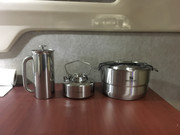
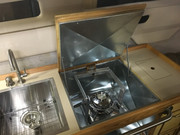
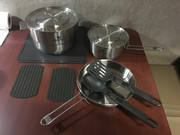
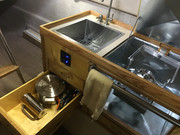
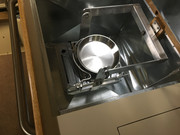


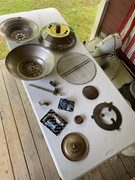
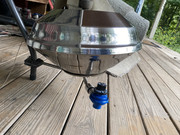


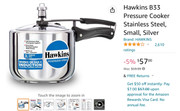

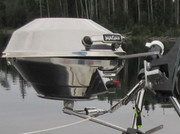


 inside the boat.


