

I have a 26s that I have spent the last year or so refitting etc. I finally have it in the water at a large lake near Atlanta (Lanier). My plan is to sail it for a season or two then do some coastal sailing around the barrier islands of the southeast or trailer it to the great lakes or Maine.
I understand what is necessary to outfit the boat in terms of equipment, but not really sure how to learn the ins and outs of coastal sailing. For example...
1. How does one find a marina to stay in for the night? Do you just motor in and call the office?
2. Can one just anchor in a cove somewhere along the way of your route and spend the night there?
3. Are there certifications necessary? Or specialized training?
4. Any good books that will help?
Thanks
J
How would you prepare for coastal sailing?
-
pitchpolehobie

- Captain
- Posts: 592
- Joined: Wed Dec 18, 2019 8:46 pm
- Sailboat: MacGregor 26X
- Location: USA, OH
Re: How would you prepare for coastal sailing?
I would start with books for the classes ASA 101, 103, 104. Consider attending the classes too. Sailing for Dummies covers a lot of it and is written by one of the authors. Consider a trip out to the coast for a week. Book some marina nights ahead of time and get comfortable with the radio and figuring out how much distanse you would cover in a day. Calling marinas is easy but some fill up quickly and some only allow reservations more than 24hr in advance.
If youre thinking of anchoring anywhere make sure you have a bulletproof anchor chain and rope. Id start w some marina overnights and work your way up to it. Coastal cruising can be a big step up from lakes. You feel the weather a lot more.
Having said all that I think its an absolute blast and could probably happily spend every day of the next 10years cruising. Work your way up so you feel prepared for what you undertake and you and crew will be able to enjoy it more.
If youre thinking of anchoring anywhere make sure you have a bulletproof anchor chain and rope. Id start w some marina overnights and work your way up to it. Coastal cruising can be a big step up from lakes. You feel the weather a lot more.
Having said all that I think its an absolute blast and could probably happily spend every day of the next 10years cruising. Work your way up so you feel prepared for what you undertake and you and crew will be able to enjoy it more.
2002 MacGregor 26X: Remedium
Tohatsu 25HP
Cruising Area: Inland Ohio, Lake Erie
Tohatsu 25HP
Cruising Area: Inland Ohio, Lake Erie
-
Chumpy36
- First Officer
- Posts: 245
- Joined: Thu Oct 27, 2022 7:54 pm
- Sailboat: MacGregor 26S
- Location: Atlanta
Re: How would you prepare for coastal sailing?
Thanks for that. I was going to start with the ASA books. Hadn't thought about the dummies book. Good call.
Thanks!
J
Thanks!
J
-
pitchpolehobie
- Captain
- Posts: 592
- Joined: Wed Dec 18, 2019 8:46 pm
- Sailboat: MacGregor 26X
- Location: USA, OH
Re: How would you prepare for coastal sailing?
What islands are you looking at?
One planning consideration is always where to safely park the boat and trailer for a week. Weve used state campgrounds, state launch ramps, sailing club just being nice and letter us use spots and weve had to pay ~20$ a night when we didnt have a good option before. I always try to call a few places and get local input.
One planning consideration is always where to safely park the boat and trailer for a week. Weve used state campgrounds, state launch ramps, sailing club just being nice and letter us use spots and weve had to pay ~20$ a night when we didnt have a good option before. I always try to call a few places and get local input.
2002 MacGregor 26X: Remedium
Tohatsu 25HP
Cruising Area: Inland Ohio, Lake Erie
Tohatsu 25HP
Cruising Area: Inland Ohio, Lake Erie
-
Interim
- First Officer
- Posts: 296
- Joined: Thu May 08, 2014 7:31 am
- Sailboat: MacGregor 26S
- Location: Great Plains
Re: How would you prepare for coastal sailing?
I would 100% take ASA 103 and 104. Find a school where you live aboard the training boat.
I think those classes will give you the confidence to take (reasonable) risks, because you'll know how to prepare.
I'd also take ASA 105 (navigation).
--interim
I think those classes will give you the confidence to take (reasonable) risks, because you'll know how to prepare.
I'd also take ASA 105 (navigation).
--interim
-
NiceAft

- Admiral
- Posts: 6697
- Joined: Tue Feb 01, 2005 7:28 pm
- Sailboat: MacGregor 26M
- Location: Upper Dublin,PA, USA: 2005M 50hp.Honda4strk.,1979 Phantom Sport Sailboat, 9'Achilles 6HP Merc 4strk
Re: How would you prepare for coastal sailing?
There apps you can download that list member marinas.1. How does one find a marina to stay in for the night? Do you just motor in and call the office?
Snag-A-Slip
Dockwa
Just like a hotel, you make reservations for a transitory slip ahead of time. If you are a member of BOATUS, many marinas give members a discount. Many of these marinas are mini resorts.
We just spent 17 days crisscrossing the Chesapeake, and used the aforementioned app to make marina slip reservations. We have used them for years.
Ray ~~_/)~~
-
rsvpasap

- First Officer
- Posts: 241
- Joined: Fri Dec 13, 2013 2:05 pm
- Sailboat: MacGregor 26X
- Location: Seattle, WA
Re: How would you prepare for coastal sailing?
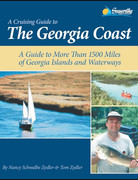
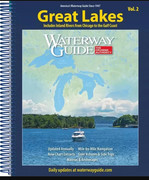
Most areas have cruising guides. These are traditionally oversized books, often spiral bound, often updated annually, often with online supplements or with copies available entirely online, that provide detailed information about specific cruising areas, such as the the phone number and address of virtually all the marinas and fuel docks, including graphical layouts of the marina slips, photographs of the harbor, reviews from prior users, the VHF channel they monitor, sometimes even cost per foot per night at the time a publication, etc.
The books will often tell your other very useful things such as special considerations about currents, tides, narrows, passages, ship channels and shipping lanes, how high the individual bridges are from the water at high tide, boat accessible restaurants with reviews, sightseeing information, advertisements for marine repair and chandlery, grocery stores accessible from the water, places where you can obtain potable water at low or no cost, tribal and Indian reservation information, local fishing laws and seasons, extensive information about the history and geography of the area, etc.
We have a few of these in the Pacific Northwest, including one called Waggoners covering Puget Sound to Alaska. This was invaluable to me in the first year or two of cruising. I have anchored many hundreds of nights in the Pacific Northwest, sometimes staying out for weeks at a time, moving every three or four days, often in remote places where there is no cell phone or internet coverage (except, now, Starlink). Though the guides are not guaranteed to be 100% accurate and current, especially if the book is more than a year old, the cruising guides are immensely helpful and often updated annually.
(Pictures below are just examples, not specific endorsements of the books.)
Specific suggestions for happy successful cruising:
1. Take a class, maybe audit the class at your local technical college, in outboard motor repair, because all things being equal, unless you accidentally drop your mast into the cockpit, your outboard motor is going to be the thing that fails first and with the most catastrophic or annoying consequences for your cruising plans, unless you are willing to just go purchase another one off the shelf wherever you may be. Learn to maintain and repair your outboard.
2. Google Earth, the Tides App, the absurdly expensive but still best-in-class Navionics, learn to use your VHF and what the various channels are for, If you're going far afield put a VHF antenna at the top of your mast, get the paid version of Windy (red) tuned to HHHR and learn what the various weather models mean and which are best in which geographic areas.
3. Get comfortable with your dinghy. Get comfortable moving back and forth between your dinghy and your sailboat.
4. What are you going to do when your tiller fails? Sign up for boat towing in emergencies, BoatUS, etc.
5. Check the u-bolts on your trailer for rust.
The books will often tell your other very useful things such as special considerations about currents, tides, narrows, passages, ship channels and shipping lanes, how high the individual bridges are from the water at high tide, boat accessible restaurants with reviews, sightseeing information, advertisements for marine repair and chandlery, grocery stores accessible from the water, places where you can obtain potable water at low or no cost, tribal and Indian reservation information, local fishing laws and seasons, extensive information about the history and geography of the area, etc.
We have a few of these in the Pacific Northwest, including one called Waggoners covering Puget Sound to Alaska. This was invaluable to me in the first year or two of cruising. I have anchored many hundreds of nights in the Pacific Northwest, sometimes staying out for weeks at a time, moving every three or four days, often in remote places where there is no cell phone or internet coverage (except, now, Starlink). Though the guides are not guaranteed to be 100% accurate and current, especially if the book is more than a year old, the cruising guides are immensely helpful and often updated annually.
(Pictures below are just examples, not specific endorsements of the books.)
Specific suggestions for happy successful cruising:
1. Take a class, maybe audit the class at your local technical college, in outboard motor repair, because all things being equal, unless you accidentally drop your mast into the cockpit, your outboard motor is going to be the thing that fails first and with the most catastrophic or annoying consequences for your cruising plans, unless you are willing to just go purchase another one off the shelf wherever you may be. Learn to maintain and repair your outboard.
2. Google Earth, the Tides App, the absurdly expensive but still best-in-class Navionics, learn to use your VHF and what the various channels are for, If you're going far afield put a VHF antenna at the top of your mast, get the paid version of Windy (red) tuned to HHHR and learn what the various weather models mean and which are best in which geographic areas.
3. Get comfortable with your dinghy. Get comfortable moving back and forth between your dinghy and your sailboat.
4. What are you going to do when your tiller fails? Sign up for boat towing in emergencies, BoatUS, etc.
5. Check the u-bolts on your trailer for rust.
-
Chumpy36
- First Officer
- Posts: 245
- Joined: Thu Oct 27, 2022 7:54 pm
- Sailboat: MacGregor 26S
- Location: Atlanta
Re: How would you prepare for coastal sailing?
Great Lakes, Georgia and South Carolina coastal at this point.pitchpolehobie wrote: ↑Sun Jul 28, 2024 4:48 pm What islands are you looking at?
One planning consideration is always where to safely park the boat and trailer for a week. Weve used state campgrounds, state launch ramps, sailing club just being nice and letter us use spots and weve had to pay ~20$ a night when we didnt have a good option before. I always try to call a few places and get local input.
-
Chumpy36
- First Officer
- Posts: 245
- Joined: Thu Oct 27, 2022 7:54 pm
- Sailboat: MacGregor 26S
- Location: Atlanta
Re: How would you prepare for coastal sailing?
rsvpasap wrote: ↑Fri Aug 16, 2024 7:06 pm Most areas have cruising guides. These are traditionally oversized books, often spiral bound, often updated annually, often with online supplements or with copies available entirely online, that provide detailed information about specific cruising areas, such as the the phone number and address of virtually all the marinas and fuel docks, including graphical layouts of the marina slips, photographs of the harbor, reviews from prior users, the VHF channel they monitor, sometimes even cost per foot per night at the time a publication, etc.
The books will often tell your other very useful things such as special considerations about currents, tides, narrows, passages, ship channels and shipping lanes, how high the individual bridges are from the water at high tide, boat accessible restaurants with reviews, sightseeing information, advertisements for marine repair and chandlery, grocery stores accessible from the water, places where you can obtain potable water at low or no cost, tribal and Indian reservation information, local fishing laws and seasons, extensive information about the history and geography of the area, etc.
We have a few of these in the Pacific Northwest, including one called Waggoners covering Puget Sound to Alaska. This was invaluable to me in the first year or two of cruising. I have anchored many hundreds of nights in the Pacific Northwest, sometimes staying out for weeks at a time, moving every three or four days, often in remote places where there is no cell phone or internet coverage (except, now, Starlink). Though the guides are not guaranteed to be 100% accurate and current, especially if the book is more than a year old, the cruising guides are immensely helpful and often updated annually.
(Pictures below are just examples, not specific endorsements of the books.)
Specific suggestions for happy successful cruising:
1. Take a class, maybe audit the class at your local technical college, in outboard motor repair, because all things being equal, unless you accidentally drop your mast into the cockpit, your outboard motor is going to be the thing that fails first and with the most catastrophic or annoying consequences for your cruising plans, unless you are willing to just go purchase another one off the shelf wherever you may be. Learn to maintain and repair your outboard.
2. Google Earth, the Tides App, the absurdly expensive but still best-in-class Navionics, learn to use your VHF and what the various channels are for, If you're going far afield put a VHF antenna at the top of your mast, get the paid version of Windy (red) tuned to HHHR and learn what the various weather models mean and which are best in which geographic areas.
3. Get comfortable with your dinghy. Get comfortable moving back and forth between your dinghy and your sailboat.
4. What are you going to do when your tiller fails? Sign up for boat towing in emergencies, BoatUS, etc.
5. Check the u-bolts on your trailer for rust.
Very helpful. Thank you!